
Stainless Steel 904L Pipes are a top choice for industrial piping systems in harsh environments where regular materials can't withstand. Known for their exceptional resistance to corrosion, these high-alloy austenitic pipes are crucial in industries such as chemical processing, marine engineering, oil and gas refineries, and pharmaceutical manufacturing.
What makes these durable stainless steel pipes unique is their remarkable ability to resist aggressive acids, chloride-rich environments, and extreme temperatures without losing strength. As industries face increasing corrosive challenges, they are turning to corrosion-resistant pipes made from 904L grade for reliable operations and reduced downtime.
With India's expanding industrial sector, Stainless Steel 904L Pipes Exporters In India play a vital role in the global supply chain by meeting international quality standards and serving various industries.
This guide explores the composition, manufacturing processes, surface treatments, and real-world applications of Stainless Steel 904L Pipes. It also provides insights into the Indian market landscape to help you make informed decisions about your piping needs.
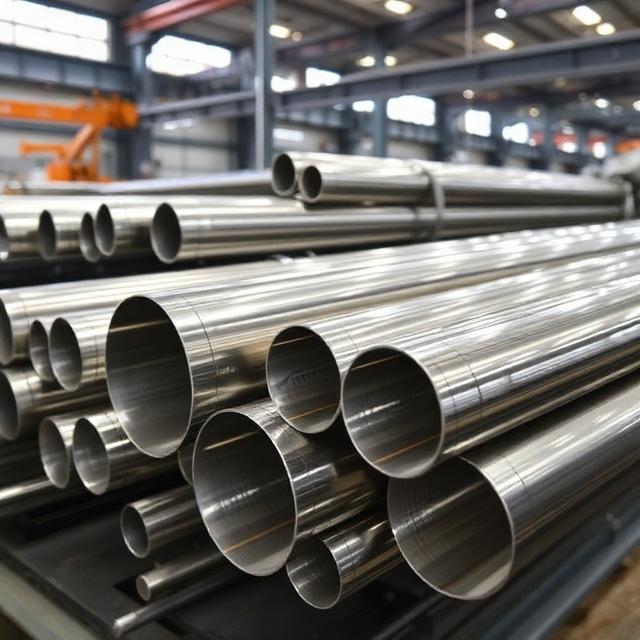
Understanding the Composition and Properties of Stainless Steel 904L Pipes
Stainless steel 904L composition is a complex mix of elements that makes this high alloy austenitic steel different from regular grades. It primarily consists of about 19-23% chromium, 23-28% nickel, 4-5% molybdenum, and a unique addition of 1-2% copper. The carbon content is intentionally kept low at a maximum of 0.02%, which is crucial in stopping carbide precipitation during welding processes.
The Science Behind Superior Performance
Every element in the 904L composition has a specific role in providing excellent corrosion resistance:
- Chromium: Forms a protective passive layer on the surface.
- Nickel: High content ensures stability in acidic environments and prevents stress corrosion cracking.
- Molybdenum: Enhances resistance to pitting and crevice corrosion, especially in chloride-containing environments.
- Copper: This grade's unique addition significantly boosts performance against reducing acids like sulfuric acid.
These characteristics make stainless steel pipes essential for manufacturers and suppliers serving chemical processing industries.
The mechanical properties reflect this careful engineering:
- Tensile Strength: Approximately 490 MPa
- Yield Strength: Around 220 MPa
- Elongation: Excellent ductility for forming operations
- Hardness: Maintains workability while ensuring durability
Performance Comparison with Standard Grades
When compared to standard grades like 316L and 317L stainless steels, 904L shows significantly better resistance to harsh substances. While 316L contains 16-18% chromium and 10-14% nickel, the higher levels of nickel and molybdenum in 904L offer better protection against sulfuric acid over a wider temperature range. Although the 317L grade has slightly more molybdenum than 316L, it still doesn't match up to the performance of 904L in seawater applications and phosphoric acid environments.
Manufacturing Standards and Types of Stainless Steel 904L Pipes
The production of stainless steel 904L pipes follows strict international standards to ensure consistent quality and performance. The main specifications for these pipes are ASTM A312 TP 904L for seamless, welded, and heavily cold worked austenitic stainless steel pipes, and ASTM B677 for UNS N08904 alloy pipes. These standards outline specific requirements for chemical composition, mechanical properties, dimensions, tolerances, and testing procedures that manufacturers must adhere to.
Seamless vs. Welded Manufacturing Processes
The manufacturing method used has a significant impact on the final characteristics of the product:
Seamless Pipes
Seamless pipes are made by piercing a solid billet and then rolling or drawing it into the desired shape. This process offers several advantages:
- Superior strength due to the absence of weld seams
- Enhanced reliability in high-pressure applications
- Better resistance to stress concentrations
- Higher production costs and limited size availability
Welded Pipes
Welded pipes are created by rolling flat steel plates into cylindrical shapes and joining the edges through various welding techniques. Key attributes of welded pipes include:
- Cost-effective production for larger diameter pipes
- Wider range of available sizes and lengths
- Potential weak points at weld seams requiring careful inspection
- Suitable for lower to moderate pressure applications
Available Dimensions and Configurations
Manufacturers produce 904L pipes in various specifications to meet different industrial requirements. Some standard offerings include:
- Round pipes: Ranging from 6mm to 914mm in outer diameter
- Square and rectangular sections: Custom dimensions for structural applications
- Wall thicknesses: From Schedule 5S to XXS (extra-extra strong)
- Lengths: Standard 6-meter lengths or custom cut-to-size options
This versatility allows engineers to select the optimal pipe configuration for specific installation requirements and operating conditions. For more detailed information on available dimensions and configurations, manufacturers typically offer a wide range of options tailored to meet various industrial needs.
Surface Finishes and Treatments for Enhanced Performance
The transformation of raw Stainless Steel 904L Pipes into high-performance components requires specific post-production treatments that maximize their inherent corrosion-resistant properties. Solution annealing stands as the most critical heat treatment process, particularly after cold working operations. This procedure involves heating the pipes to temperatures between 1100-1150°C, followed by rapid cooling. The process dissolves carbides back into the matrix and relieves internal stresses that could otherwise create vulnerable points for stress corrosion cracking in aggressive environments.
Surface finish selection plays a dual role in determining both the functional performance and visual appeal of 904L pipes. The market offers several finish options:
- Annealed and pickled finish: This treatment removes surface scale and oxidation through acid pickling, creating a clean, matte gray appearance. The process exposes a fresh chromium-rich surface layer that enhances passive film formation, providing superior corrosion protection in chemical processing applications.
- Polished finish: Available in various grades from 180 grit to mirror polish, this finish reduces surface roughness and eliminates potential contamination trap sites. Polished surfaces prove particularly valuable in pharmaceutical and food processing industries where hygiene standards demand smooth, easily cleanable pipe interiors.
The choice between these finishes depends on the specific application requirements, with chemical plants often preferring pickled finishes for cost-effectiveness, while high-purity applications demand polished surfaces for contamination control.
Applications of Stainless Steel 904L Pipes in Harsh Environments
The exceptional corrosion resistance of stainless steel 904L pipes makes them indispensable across industries operating in aggressive environments. Their unique composition allows them to withstand conditions that would rapidly degrade conventional piping materials.
Chemical Industry Pipes
In chemical processing plants, 904L pipes excel at handling concentrated sulfuric acid, phosphoric acid, and other reducing acids. The copper content in these pipes provides superior resistance to acid corrosion, making them the preferred choice for acid production facilities, fertilizer manufacturing plants, and pharmaceutical processing units. These pipes maintain structural integrity even when exposed to highly corrosive chemical mixtures at elevated temperatures.
Oil Refinery Components
The petroleum industry relies heavily on 904L pipes for critical applications where exposure to sour gas, chlorides, and acidic compounds is constant. These oil refinery components demonstrate remarkable resistance to pitting and crevice corrosion in processing units, heat exchangers, and pipeline systems handling crude oil and refined products.
Marine Applications
Seawater presents unique corrosion challenges due to its high chloride content and biological activity. Stainless steel 904L pipes outperform standard grades in marine applications, including desalination plants, offshore platforms, and coastal processing facilities. Their resistance to seawater corrosion extends service life significantly while reducing maintenance requirements.
In pulp and paper bleaching plants and power generation facilities, 904L pipes serve effectively in gas scrubbers where exposure to chlorine compounds and acidic condensates demands exceptional material performance.
The Growing Demand for Stainless Steel 904L Pipes in India
India's industrial landscape has undergone significant changes, leading to a growing need for advanced materials that can withstand challenging operational conditions. The stainless steel 904L pipes India market overview shows a sector experiencing substantial growth, driven by the expansion of chemical processing facilities, petroleum refineries, and marine infrastructure projects along the country's extensive coastline.
The nation's push toward manufacturing excellence through initiatives like "Make in India" has accelerated investments in sectors requiring superior corrosion-resistant materials. Indian industries now prioritize equipment longevity and operational efficiency, making 904L pipes an increasingly preferred choice over conventional grades. The pharmaceutical sector, experiencing rapid expansion, particularly values these pipes for their ability to maintain product purity in aggressive cleaning and sterilization processes.
Coastal industrial zones and desalination plants represent another growth driver, where seawater exposure demands materials with exceptionalpitting resistance. As India continues building world-class infrastructure and upgrading existing facilities to meet international standards, the adoption of high-performance stainless steel 904L piping solutions continues its upward trajectory.
Key Manufacturers and Suppliers of Stainless Steel 904L Pipes in India
India has several well-known manufacturers of Stainless Steel 904L Pipes who are known for providing high-quality piping solutions. These manufacturers have modern facilities with advanced technology to produce pipes that meet strict quality standards. Many of these companies sell their products both in India and internationally, making India an important player in the global supply chain for specialty stainless steel products.
Types of Stainless Steel 904L Pipes Suppliers In India
There are different types of suppliers for Stainless Steel 904L Pipes in India:
- Large-scale manufacturers: These are big companies that have their own production facilities and can produce pipes in large quantities.
- Specialized distributors: These suppliers focus on specific types or sizes of pipes and keep a wide range of inventory to meet customer demands.
- Collaborating with international brands: Some suppliers work with well-known brands from other countries to offer a wider selection of products.
- Developing their own manufacturing capabilities: In addition to partnering with international brands, some suppliers are also investing in their own manufacturing capabilities to meet diverse industry needs.
Selecting a Trustworthy Supplier
When looking for reliable suppliers of Stainless Steel 904L Pipes, there are several important factors to consider:
- Quality Certifications: Check if the supplier has ISO 9001:2015 certification, which shows their commitment to maintaining high-quality standards.
- Standards Compliance: Verify that the pipes comply with ASTM A312 TP 904L and ASTM B677 specifications, ensuring they meet international performance requirements.
- Material Test Certificates: Reputable suppliers should provide detailed documentation including chemical composition analysis and mechanical property test results.
- Industry Experience: Look for suppliers who have been in the industry for many years as they usually have more technical knowledge and problem-solving skills.
- Customer Testimonials: Read reviews from existing clients in similar industries to get insights into the supplier's reliability, delivery timelines, and after-sales support.
- Technical Support: Ensure that the supplier can provide metallurgical expertise and application engineering assistance when needed during project planning and execution.
Conclusion
Stainless Steel 904L Pipes are a smart investment for industries working in tough conditions. These long-lasting stainless steel pipes offer outstanding protection against corrosion and high strength, resulting in:
- Lower maintenance costs due to longer service periods
- Less downtime in critical operations
- Improved safety in aggressive chemical environments
- Overall lower costs despite higher initial investment
Choosing durable industrial piping solutions from certified Indian manufacturers ensures access to quality materials that meet international standards. By partnering with suppliers who comply with ISO regulations, conduct thorough testing, and provide clear documentation, you can ensure reliable performance for many years. The right piping solution today can help you avoid expensive replacements in the future.
FAQs (Frequently Asked Questions)
What is Stainless Steel 904L and why is it significant in various industries?
Stainless Steel 904L is a high alloy austenitic steel known for its exceptional corrosion resistance and mechanical properties. It contains key elements such as chromium, nickel, molybdenum, and copper, making it highly durable and suitable for harsh environments. Its significance spans across chemical processing, oil refineries, marine applications, and power generation due to its strength and resistance to aggressive media.
How does the chemical composition of Stainless Steel 904L contribute to its performance?
The unique combination of chromium, nickel, molybdenum, and copper in Stainless Steel 904L enhances its corrosion resistance, especially against acidic environments. Chromium provides oxidation resistance; nickel adds toughness; molybdenum increases resistance to pitting and crevice corrosion; while copper improves resistance to reducing acids. This makes 904L pipes superior compared to grades like 316L and 317L under challenging conditions.
What manufacturing standards govern the production of Stainless Steel 904L Pipes?
Stainless Steel 904L pipes are primarily manufactured according to ASTM standards such as ASTM A312 TP 904L for seamless pipes and ASTM B677 for welded pipes. These standards ensure the quality, reliability, and performance consistency of the pipes across various industrial applications.
What types of Stainless Steel 904L Pipes are available in the market?
The main types of Stainless Steel 904L pipes include seamless and welded varieties. Seamless pipes offer higher strength and are preferred in high-pressure environments, while welded pipes are cost-effective with good dimensional accuracy. Both types come in various dimensions, thicknesses, and shapes including round, square, and rectangular to suit diverse application needs.
What surface finishes and treatments enhance the performance of Stainless Steel 904L Pipes?
Post-production treatments like solution annealing improve stress corrosion resistance after cold working. Surface finishes such as annealed & pickled or polished finishes not only enhance the aesthetic appeal but also increase durability by reducing surface defects that can initiate corrosion. These treatments make 904L pipes more suitable for demanding industrial environments.
Why is there a growing demand for Stainless Steel 904L Pipes in India?
India's rapid industrialization and infrastructure development have increased the need for high-performance stainless steel piping solutions that offer long-lasting durability and corrosion resistance. Industries like chemical processing, oil refining, power generation, and marine sectors rely on Stainless Steel 904L pipes for their reliability in harsh conditions. The availability of quality manufacturers and suppliers in India further supports this growing demand.